The stove industry is in full swing, and most installers and showrooms will want you to fit a chimney liner. We are not going into why here — that is another post — but we will go through the options.
What a liner is
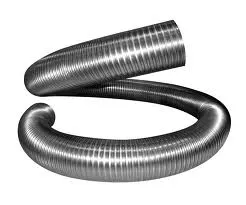
A flexible stainless steel tube, or a ceramic liner, inserted inside a masonry chimney. There are a few types:
- Stainless steel flexible liners, in 316 and 904 grade.
- Ceramic liners — clay, pumice, or formable ceramic.
- Rigid stainless steel pipe, such as Schiedel's Prima Smooth.
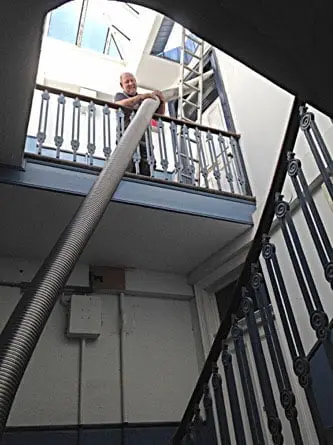
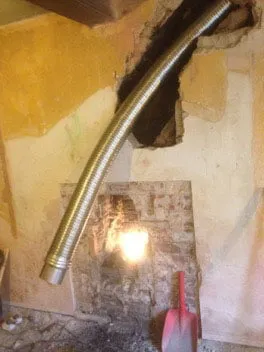
With all of those available, most people still choose the flexible steel liner, mainly on cost and because fewer installers have experience of the others. A flexible liner can usually be fitted in a day by a small team, where relining a conventional masonry chimney with a ceramic liner is a good deal more work because of the bends inside the chimney: the original chimney is chased — pockets cut, or lengths of wall removed, to fit the new lining — which is a lot of work and a lot of mess.
Why there are two grades
The theory is that 316-grade stainless steel is less resistant to soot and tar deposits than the superior 904 grade. That is true. Does it matter?
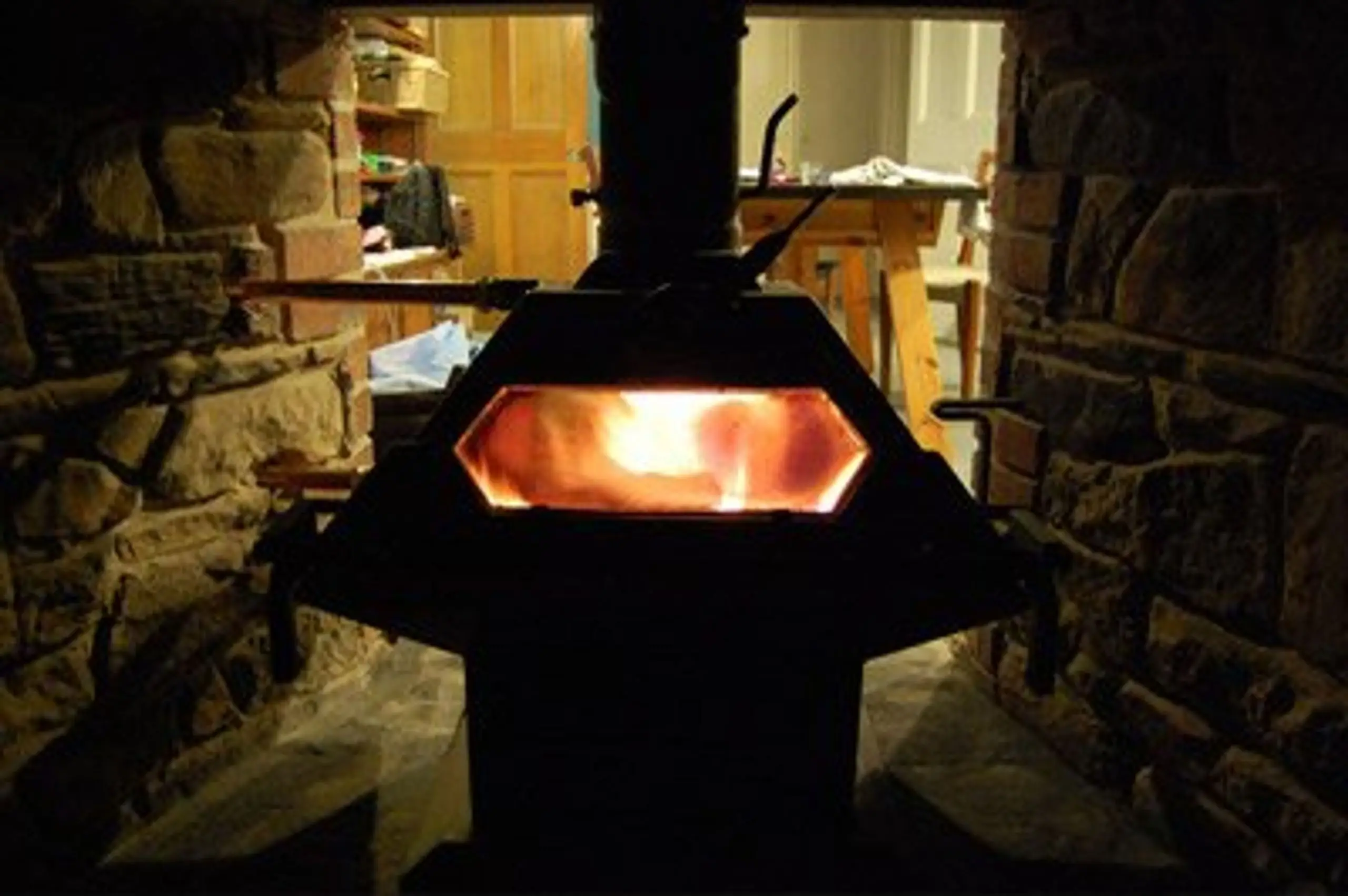
Most manufacturers will say that if you are going to slumber-burn — load a stove with fuel and let it smoulder — or burn coal and coal-based fuels, then 904 is better suited, because it stands up to tar and creosote. We would argue that you should not be slumber-burning at all: it creates the tar and creosote that then catch fire in the chimney, quite apart from the pollution from smouldering wood or burning coal.
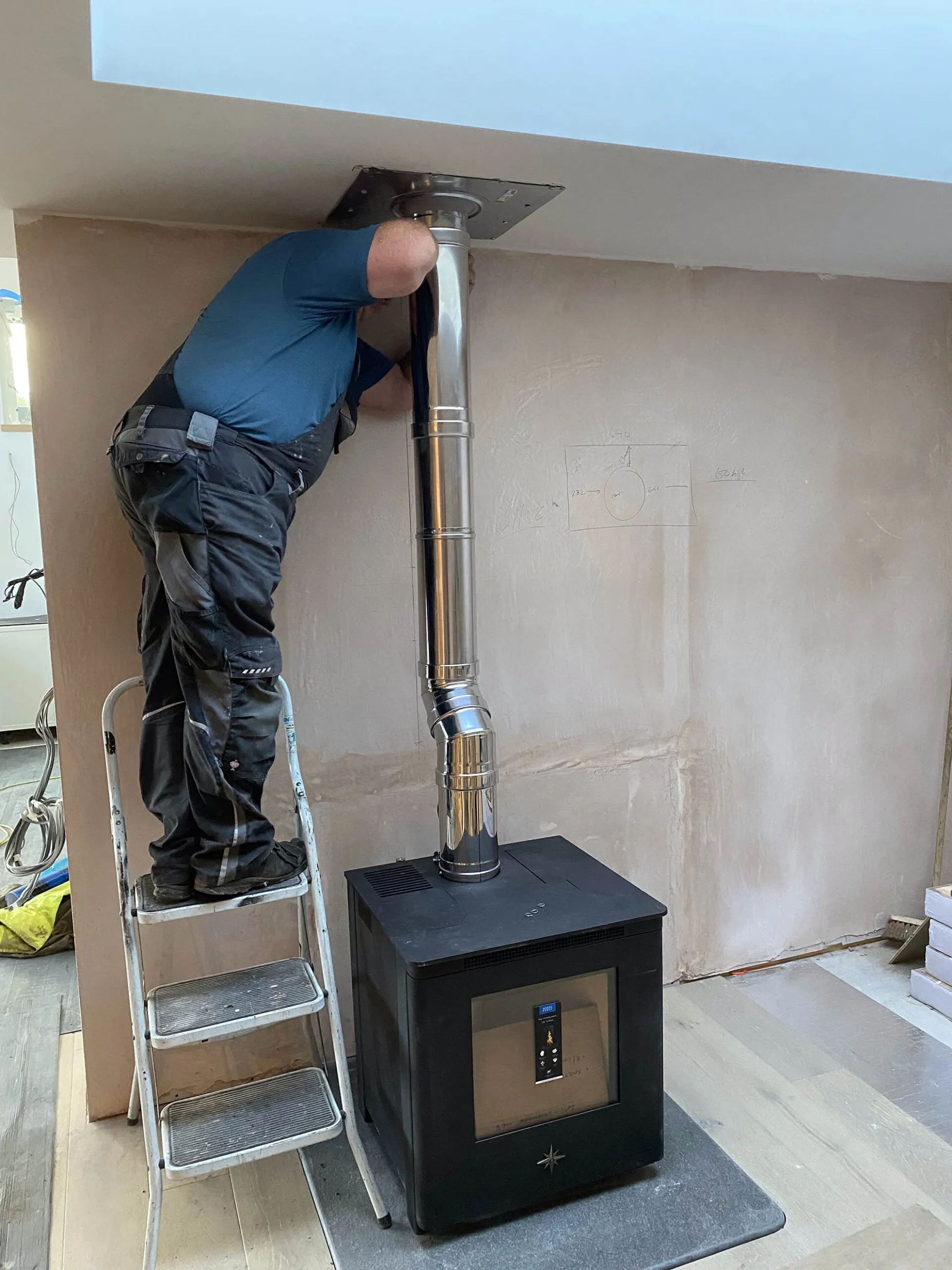
In our experience most liners are destroyed by high temperature, and the grade makes no difference to that. The high temperatures come from chimney fires, which can exceed 1,000°C and either disintegrate the liner at the hottest point or distort it beyond use. The other way a metal liner gets damaged is by being too close to the stove. We always use 1mm solid stainless for around a metre above the appliance, so that flame drawn up on a windy day never touches the liner — it runs cooler and lasts longer.
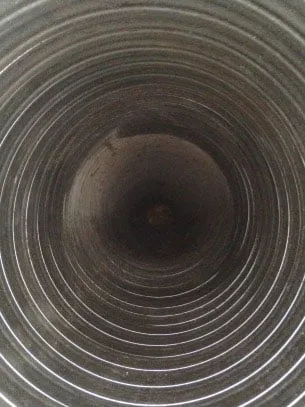
We have had customers who insisted on 904 grade because "it's the best" — then burned wet wood, had the chimney swept less than twice a year, had a serious chimney fire, and lost the liner. No grade of stainless steel puts up with abuse and no maintenance.
The price and the guarantee
It depends on the manufacturer, but a 904 liner is generally around double the cost of a 316.
316 grade usually carries a guarantee of up to 20 years; 904 grade up to 25. Whether those will be honoured in 20 years' time, only time will tell — and guarantees generally cover a new liner, not the installation or the adaptors that go with it. Many manufacturers now offer a lifetime guarantee, meaning that as long as you keep the same appliance and installation, the liner is covered until you remove it.
So is it worth paying more?
Our opinion is no. Dave has a 316-grade liner in his own home, more than ten years old, swept twice a year and burning dry wood and hardwood briquettes. If you have a 316 liner and it is:
- installed properly;
- well insulated, using LECA rather than vermiculite;
- used with fuel that is within the manufacturer's guidelines;
- swept regularly, by a qualified sweep with the proper liner brushes;
- and a quality liner in the first place — they are not all equal; we only recommend Schiedel Tecnoflex, which is not the cheapest but is well made from noticeably heavier stainless steel
— then you should have a long, trouble-free life from it. If you want to burn coal or other dirty fuels, or to slumber-burn, a 904 liner may last you longer. We would rather you did neither.