To line or not to line: what are the advantages, and the disadvantages?
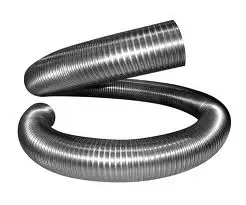
What a flexible liner is
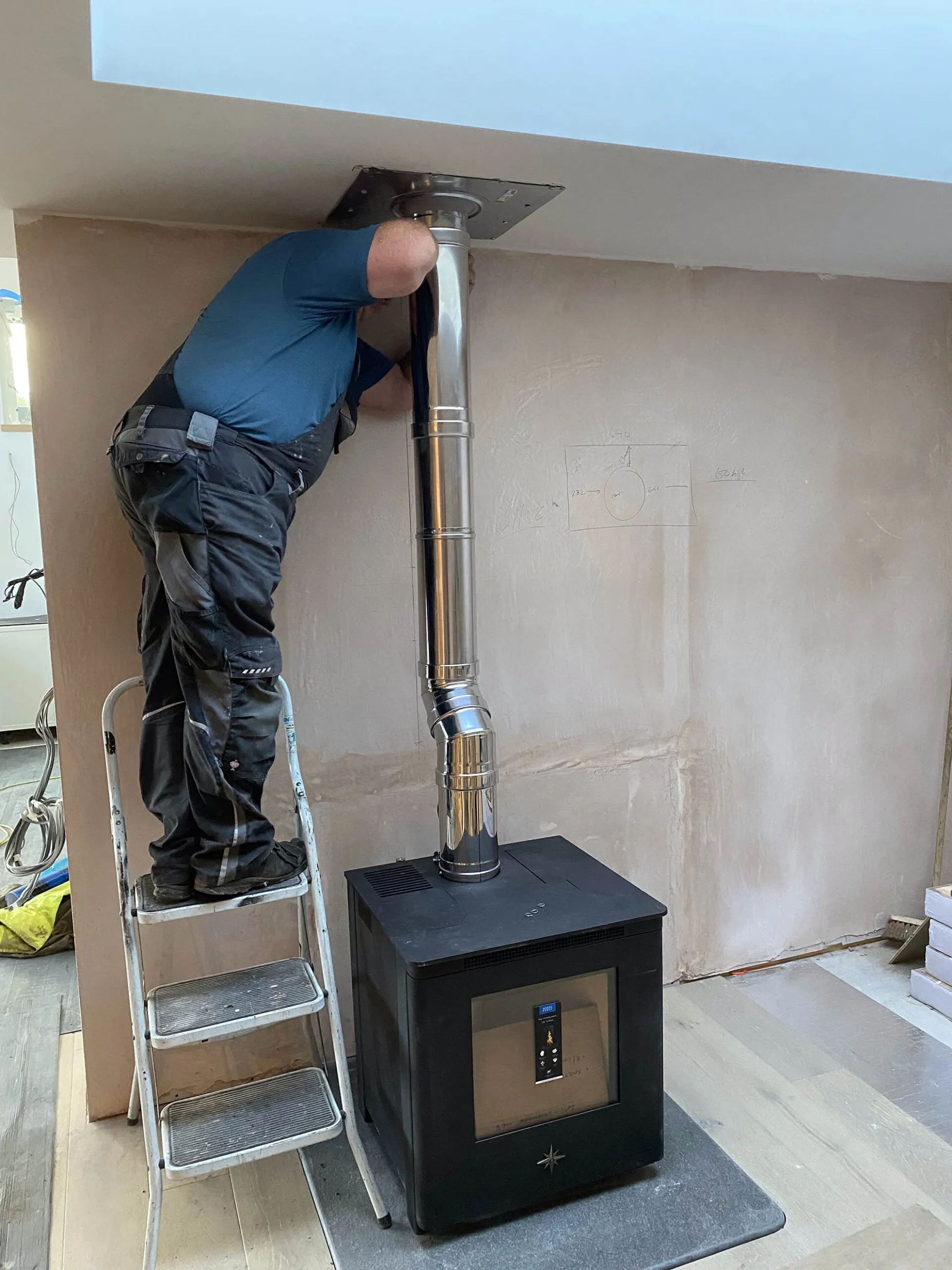
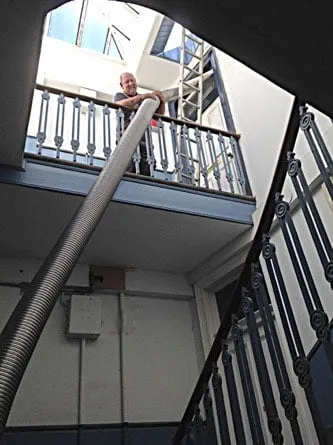
A twin-wall stainless steel flexible liner is just that: a single flexible pipe. The outer shell is crimped together, and the inner shell is woven into it, to make a twin-wall flexible liner for your chimney. Liners come in different diameters. In Scotland the minimum is 150mm unless the manufacturer requires larger — always read the manufacturer's recommendations before fitting a liner. If you only burn smokeless fuel, you may reduce that to 125mm.
The advantages
- Cheap, compared with relining a chimney with new clay or pumice liners.
- Far less disruption than a new masonry liner.
- Better draw, and better appliance performance.
- Gases reach the atmosphere safely, which matters if you are unsure how airtight the existing chimney is.
- Good-quality liners are readily available.
- Quick, compared with any other method of relining.
- Two grades: 316 for general use, and 904 for coal-based fuels and heavy-use biomass plant.
The disadvantages
- There is a serious shortage of qualified people and companies installing liners, in Scotland especially.
- Installing one properly takes skill: clamps top and bottom, and decisions about whether to insulate or to ventilate.
- Liners are easily damaged, and must be inspected carefully before they go in.
- It is not a one-person job. It takes at least two people to feed a liner down and support it properly — though plenty of people try alone.
- A liner lasts between ten and twenty years, depending on the fuel, how often it is used, maintenance, the quality of the liner, and the quality of the fuel — its moisture content above all.
Why we line
There are plenty of points in favour, but for us the main one is safety. With a liner you know that no gases are escaping before they reach the chimney pot — which matters where you cannot check the condition of the chimney, or cannot do a seepage test because you cannot get access to the rooms or properties above, as in a flat.
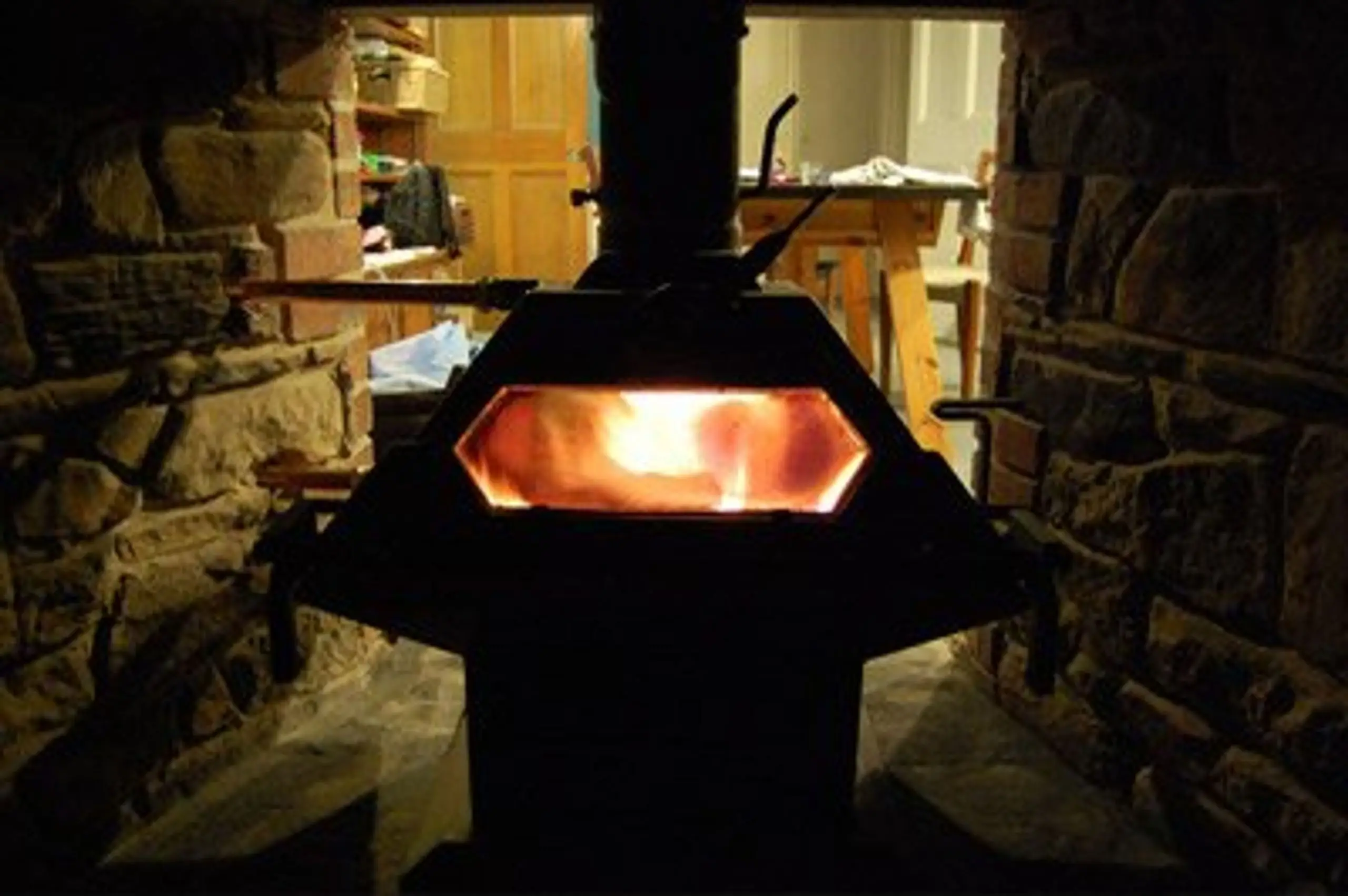
The other reason we like to reline older chimneys is straightforward. Old chimneys were usually built for open fires, and are larger in diameter. An open fire puts roughly half its heat into the room and half up the chimney, which keeps the chimney warm and helps it draw. Put in a stove running at 70–80% efficiency and much less heat goes up the chimney, so it often draws less well — which can mean smoke into the room when you refuel, and water condensing inside the chimney as it warms up, running as black tar down the wall or through the edges of the register plate. A liner sized to the output of your appliance keeps the gases warmer and safely inside it, and the appliance works better for it. Always ask the stove or boiler manufacturer for the correct diameter before fitting one.
If in doubt, have a liner fitted by a HETAS-qualified engineer — ideally one who has been recommended to you — rather than asking the local sweep to drop one down to save money. And make sure a liner has actually been fitted if you have paid for one; it is a known scam. If you are looking to have a stove, boiler stove, solid-fuel cooker, log or pellet boiler installed, or simply need your chimney relined, ask us for a quote.