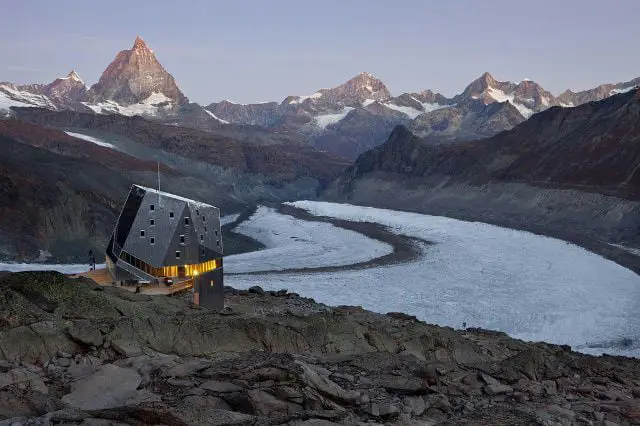
Over the past ten years a growing part of our work has been off-grid living. We have been involved with every kind of property, from shipping containers to huts, cabins and family homes — there is no longer any stereotype of who lives off the grid.
People go off-grid for different reasons. For some, mains services are too expensive or simply not possible at the location; others want self-sufficiency, a return to nature, or a smaller carbon footprint. Whatever the reason, most people assume that off-grid living means hard living, and cold. It does not have to. If you want to be warm, read on.
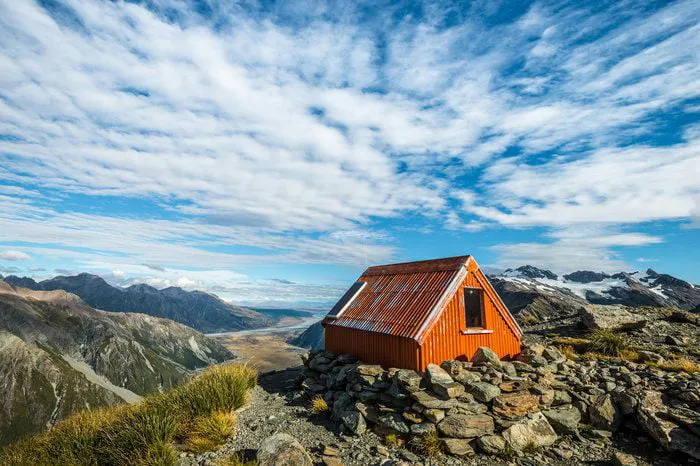
Doing without electricity
Why generate electricity when you can do without it, and produce all your heating and hot water in a carbon-neutral way? There are two main options for heating and hot water with no electricity at all: wood, and solar thermal.
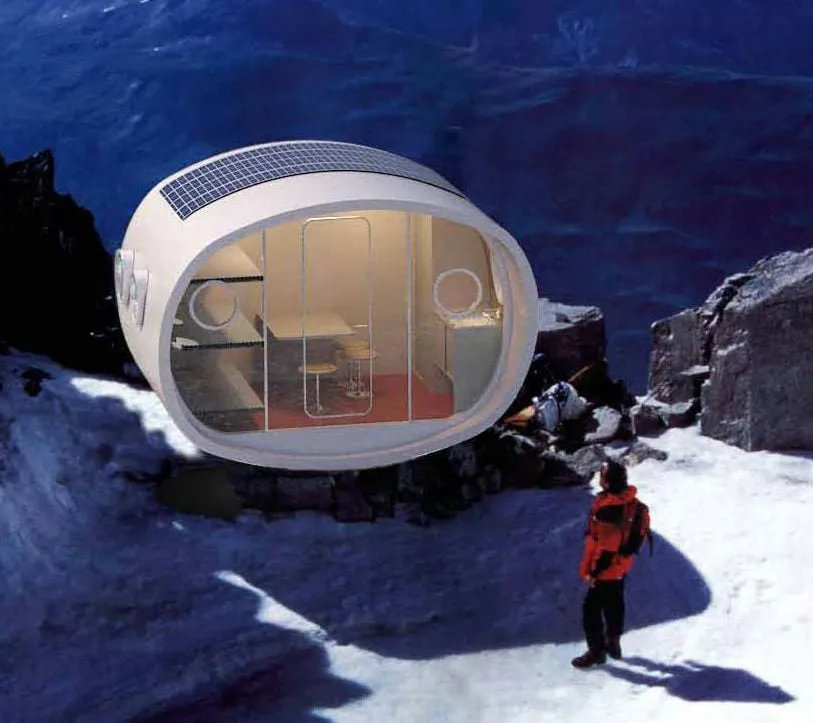
Heating with wood
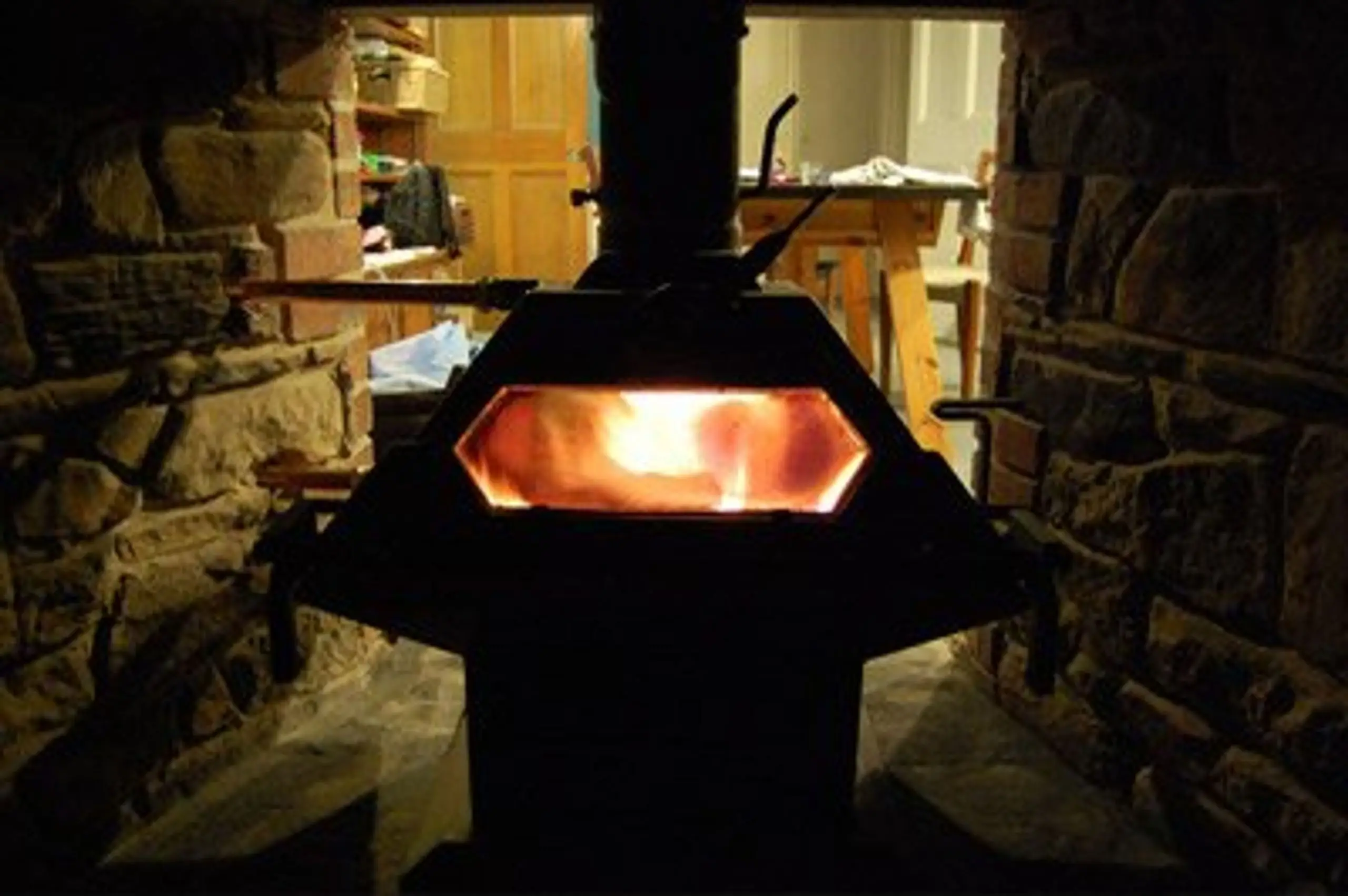
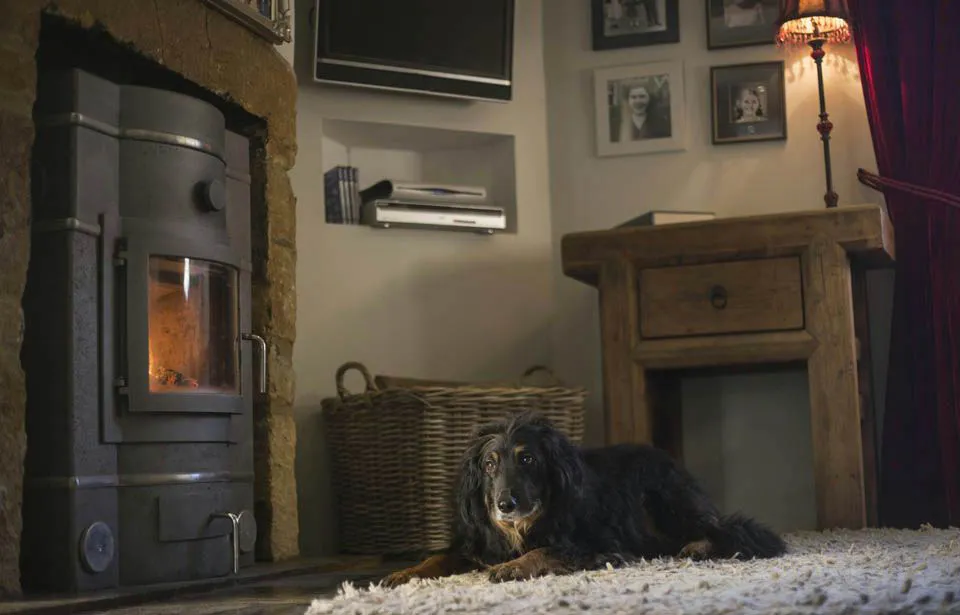
This is probably the most common way to heat an off-grid property or cabin and its water. The options are:
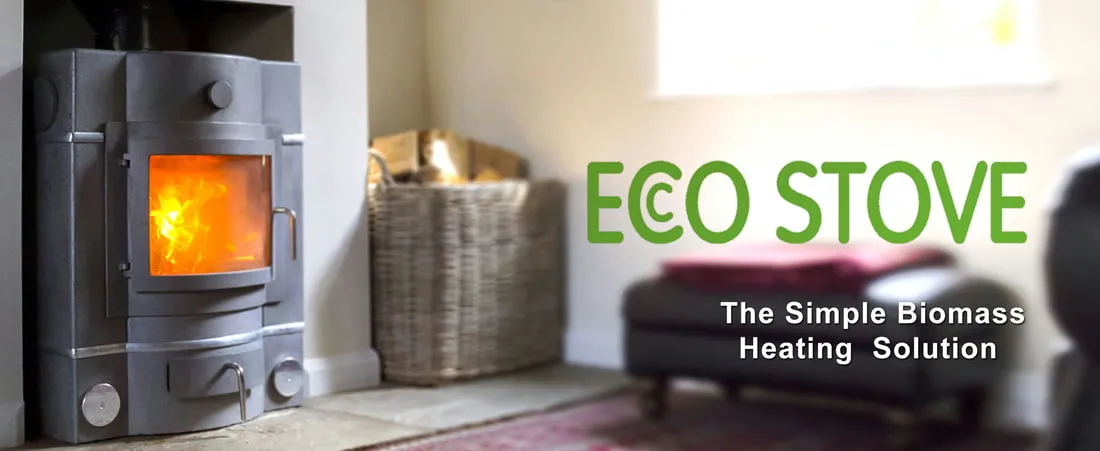
- A steel or cast-iron wood-burning stove.
- The same, with a back boiler or flue boiler.
- A masonry stove, with or without a back boiler.
- A rocket stove with a heated bench or bed, with or without a heat-exchanger coil.
The options with a back boiler, flue boiler or heat-exchanger coil can be coupled to radiators in a larger property, using gravity circuits to move the heat through the pipework. It is also possible to use our thermal mass radiators, which we design and cast in situ — to our knowledge our own invention — where the heat warms a mass of rammed earth, adobe or formed concrete that holds it and gives it back slowly.
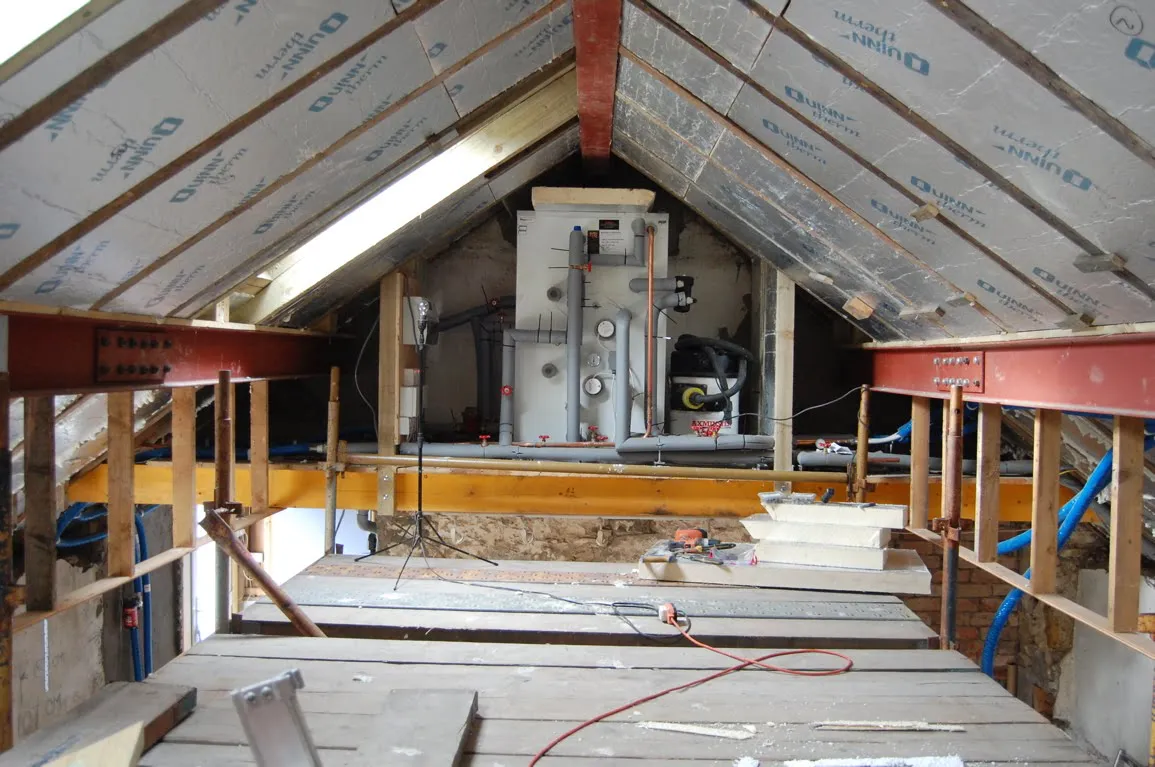
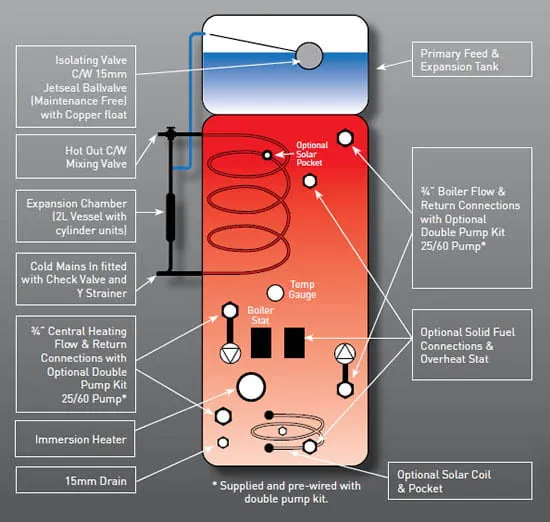
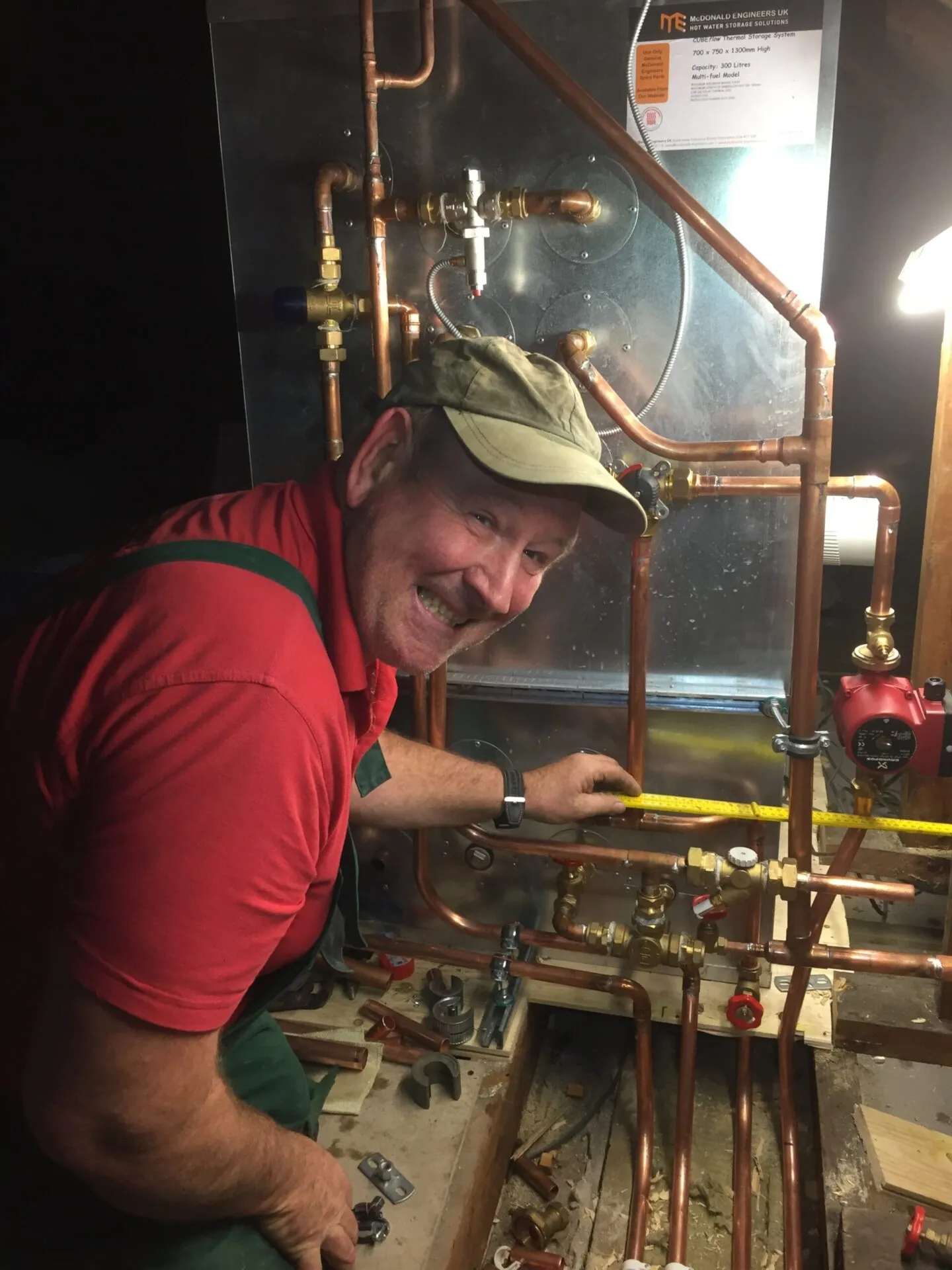
For wet systems with a back boiler we also offer thermal stores with hot water coils, or tank-in-tank options, which give high-flow hot water at the taps and hold the surplus heat for when you need it. Solar thermal can be added to these stores for hot water and central heating, if some electricity is available — even low-voltage.
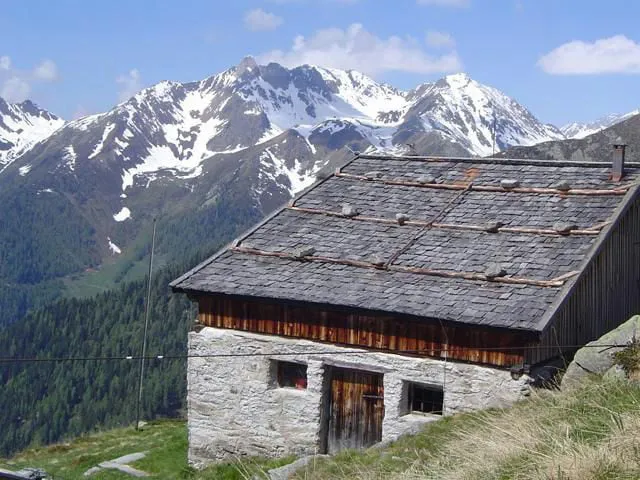
Heating with the sun
Solar thermal has grown a great deal in popularity over the past ten years, though nothing like the grant-aided boom in solar PV. Solar thermal — solar hot water, solar heating, Sonnenhaus — works like this: just as with PV, a panel sits on a stand or on the roof, but the panel or evacuated tubes absorb the sun's energy as heat, warming the water or heat-transfer fluid, which is piped to your thermal store. In an off-grid property the fluid moves by gravity circulation, with no pump.
How much energy you get depends on the size of the collector, but as long as there is sunlight, you are making hot water and charging the store. Most people who go as far as a thermal store use wood and solar together to heat it, which gives a very comfortable system even off the grid.
We are involved in custom thermal stores from Scotland, Germany and Switzerland. Our German supplier has well-priced off-the-shelf stores ready for a project; for on-grid properties, or those with power, our Swiss supplier makes custom stores from 700 to 500,000 litres for sun-heated homes.
If you are interested in going off-grid, or want to know how to go about wood and solar heating or thermal storage, we are always happy to help — with consultancy, sales or installation. Get in touch.